What Fleet Operators Really Need: Moving Beyond Tickets to Intelligence
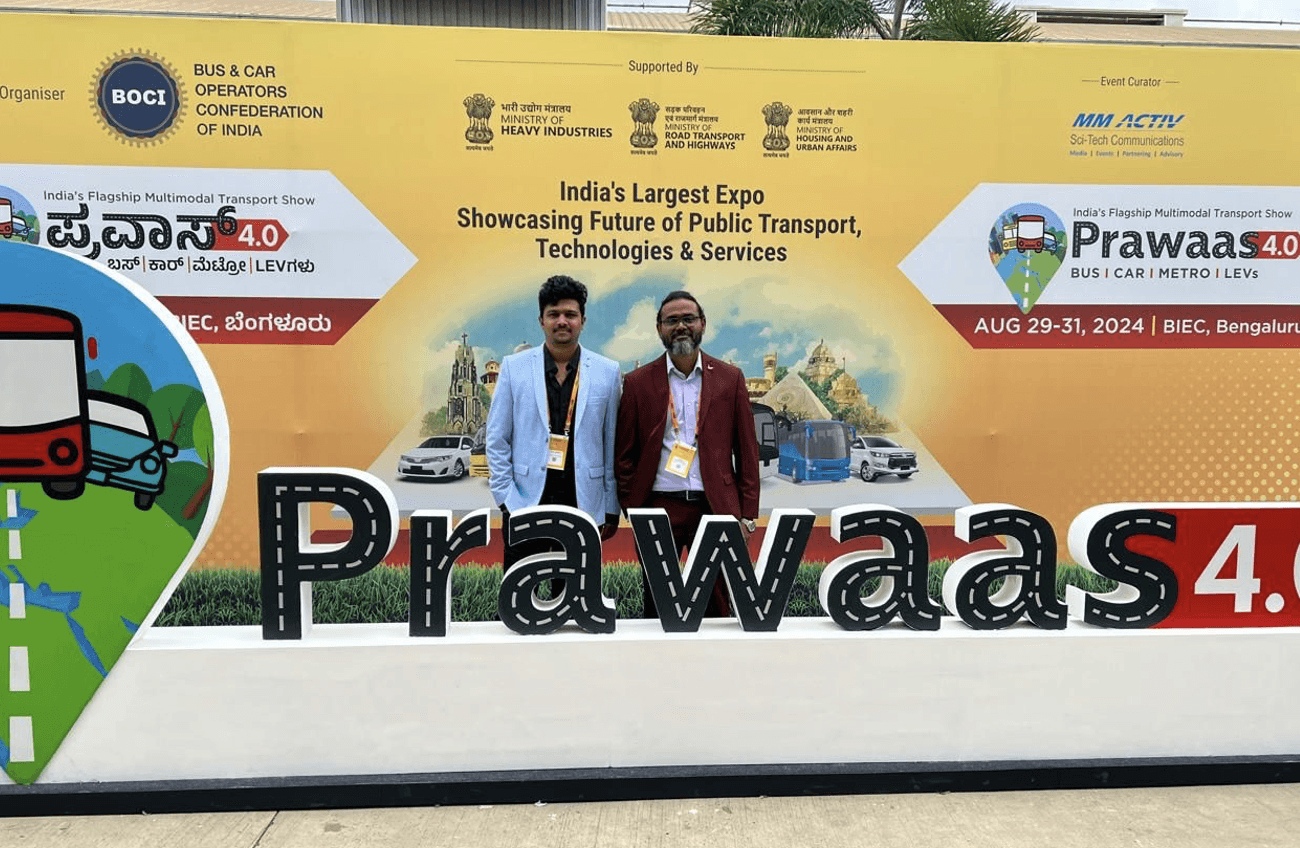
At large fleet industry events like Prawaas, one thing becomes clear very quickly: most fleet operators are not struggling with lack of data visibility and control. they are struggling with lack of Buses are running every day across thousands of routes, but operators still depend on fragmented systems and manual checks to understand what is actually happening inside each vehicle.
The Core Problems Fleet Operators Face Today
Proxy Passengers and Revenue Leakage
One of the biggest operational challenges for fleet operators is unaccounted passenger boarding.
Buses often carry more passengers than what is recorded in ticketing systems. Some of this revenue is never captured digitally and may be collected informally during boarding. As a result, operators do not have a clear view of how many passengers actually travelled and how much revenue was genuinely generated per trip.
Without real-time visibility into passenger onboarding and deboarding, operators have no reliable way to measure this gap. The mismatch between recorded tickets and actual passengers makes it difficult to identify revenue leakage or understand where revenue is being lost during daily operations.
Limited Visibility Into What Happens Inside the Bus
GPS systems tell operators where the bus is, but not what is happening inside it.
Operators often do not know:
• How many passengers actually boarded
• Where passengers boarded and deboarded
• How long passengers stayed inside the bus
• Whether the bus is overcrowded at any point
• This lack of visibility affects planning, compliance, and service quality.
Proactive Driver Fatigue Detection
Driver fatigue is one of the most serious safety risks in long-haul and overnight operations.
Traditionally, operators rely on manual supervision or learn about fatigue only after an incident has occurred.
A more effective approach is real-time fatigue detection. By continuously monitoring driver alertness, the system can identify early signs of drowsiness and immediately alert operators or supervisors. This enables timely intervention such as advising a break, switching drivers, or slowing operations before safety is compromised.
Instead of reacting after incidents, operators gain early awareness to act in time.
Difficulty Tracking Individuals in Dense Crowds
In high-density situations, identifying and tracking specific individuals such as suspects or missing persons is extremely difficult.
Once a person moves out of a single camera's view, continuity is lost and tracking across locations becomes slow and fragmented.
Why Fleet Operations Need an Intelligence Layer
Fleet operators do not need another system that only records video. Recording footage helps after an incident, but it does not support day-to-day operational control.
What operators need is a real-time intelligence layer that works on top of existing cameras and systems one that continuously brings together what actually matters during a trip: passenger onboarding and counts, vehicle movement, driver alertness, and overall bus occupancy.
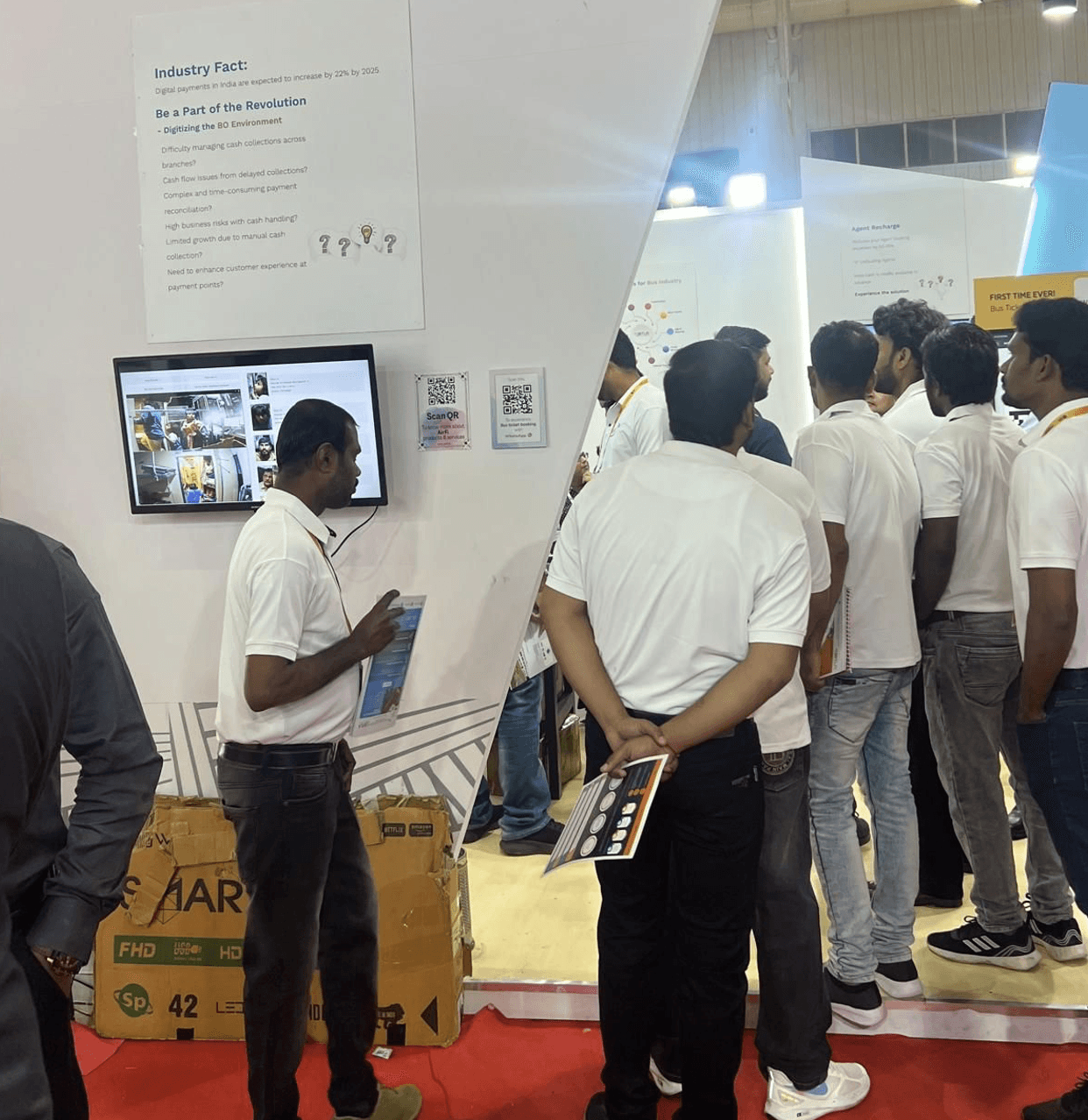
Discussions at Prawaas, made this gap clear. Operators repeatedly pointed to the need for a single, unified platform that provides live operational visibility instead of fragmented data across multiple tools. The focus has shifted from storing information to understanding what is happening on the bus, as it happens.
How an Intelligence-Driven Platform Changes Fleet Operations
Passenger Boarding, Counts, and Revenue Visibility
Instead of focusing on who boards the bus, the intelligence layer focuses on how many passengers actually board and travel.
By capturing passenger onboarding and deboarding events in real time and maintaining continuity across the journey, operators gain an accurate view of actual ridership versus recorded tickets. This makes it possible to identify gaps between reported revenue and real passenger movement.
In addition, real-time occupancy visibility allows operators to understand how passenger load changes across routes, stops, and time periods - including peak segments where overcrowding may occur.
Rather than discovering discrepancies later through audits or estimates, operators can measure unaccounted boarding trip by trip, enabling better planning, compliance, and service decisions based on accurate operational awareness.
Real-Time Driver Alertness Monitoring
Driver fatigue is monitored continuously during operation. Early signs of drowsiness are detected and real-time alerts are generated for operators or supervisors. This allows timely intervention such as advising a break or increased supervision - before safety risks escalate, rather than relying on manual checks or post-incident review. The system acts as an early-warning layer, supporting safer fleet operations without disrupting the driver.
From Location Tracking to Operational Context
GPS alone tells operators where a bus is, but not how it is operating. When location data is combined with passenger and driver intelligence, operators gain real operational context - how many passengers are on board, whether any safety or operational events are occurring, and whether the bus requires attention at that moment. This moves fleet monitoring beyond static tracking to real-time operational awareness.
One Platform, One Operational View
Instead of switching between multiple systems, operators access a single platform that brings together location, passenger movement, and driver status for every bus and route.
This unified view simplifies day-to-day monitoring and supports faster, more consistent decision-making at both the operational and management levels.
What This Delivers for Fleet Operators
An intelligence-driven approach enables operators to:
• Identify revenue gaps caused by unaccounted passenger boarding
• Improve passenger safety and overall service quality
• Monitor driver alertness proactively
• Understand actual bus utilisation, not just planned schedules
• Scale operations without adding manual overhead
Most importantly, operators gain confidence in how their fleet is functioning on the ground.
From Fleet Tracking to Fleet Intelligence
Fleet management is no longer just about knowing where vehicles are. It is about understanding people, behaviour, and operations in real time. As fleets grow and routes become more complex, intelligence will become a core operational layer - not an optional add-on. Events like Prawaas reinforce a clear direction: the future of fleet operations belongs to platforms that deliver visibility and operational control through a single, unified view

Written by
Akhil Gurram
Co-Founder & CTO, FaceIntel Technologies Pvt. Ltd.
December 10, 2025
15 min read
FaceIntel Discovery Pilot Program
Collaborate with FaceIntel to validate identity intelligence in live, production environments — built for scale and compliance.