Why Surveillance Alone Falls Short in Shared Private Spaces
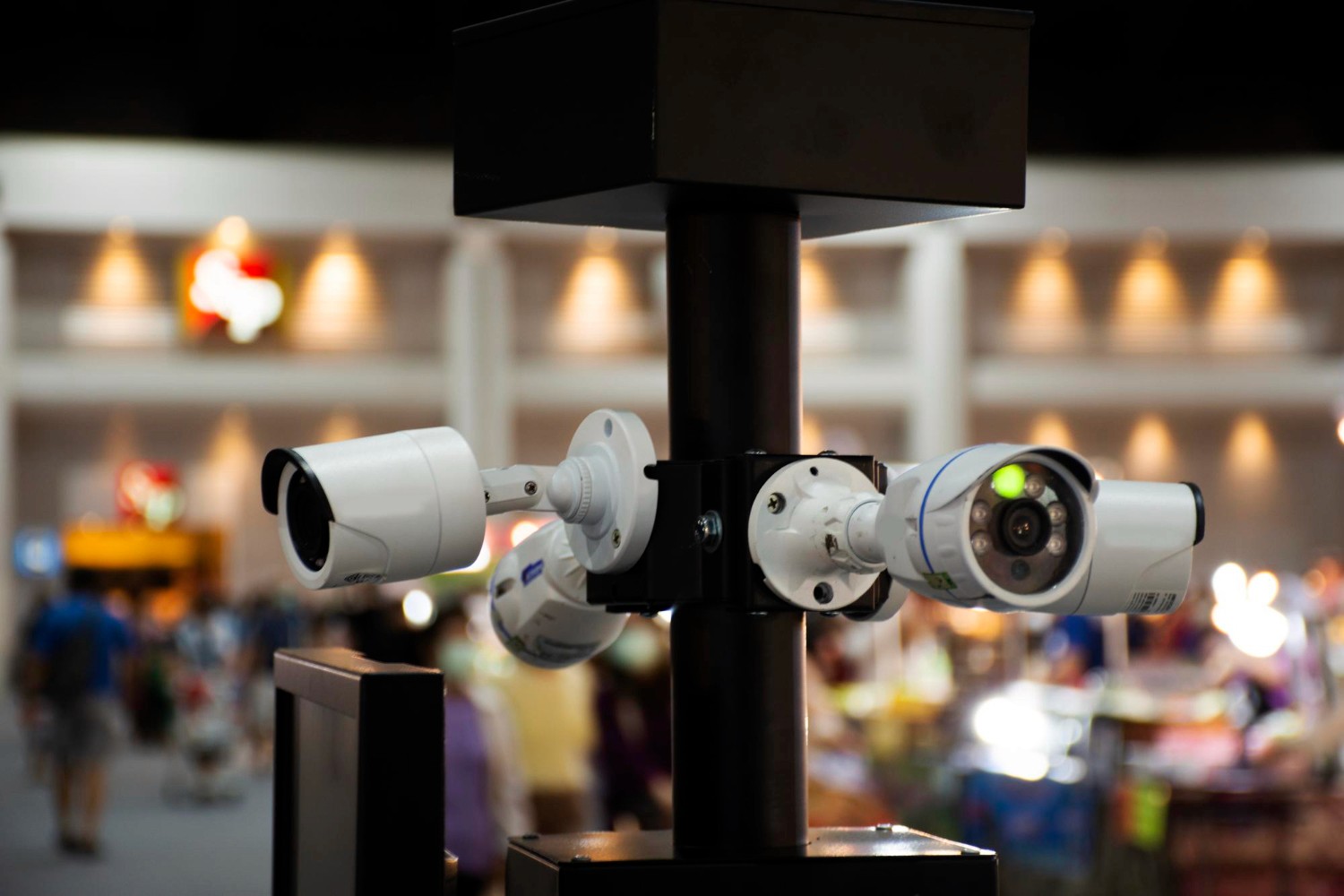
Gated communities, shopping malls, Enterprise campuses or manufacturing facilities, and large mixed-use developments all have one thing in common. They are heavily monitored, yet often poorly understood.
Cameras cover entry points, corridors, elevators, parking areas, and common spaces. Guards monitor screens, footage is stored, and incidents are reviewed when needed. On paper, surveillance coverage looks complete.
In practice, many of these environments still struggle with basic operational awareness:
• Who is inside the premises at any given time?
• How are people moving through the space?
• Which patterns are routine, and which deserve attention?
• Why does surveillance mostly help after something goes wrong?
The issue is not lack of cameras. It is lack of intelligence. Surveillance Is Common. Awareness Is Not.
Traditional surveillance systems are designed to record video and display live feeds. They capture everything, but depend almost entirely on human attention to make sense of what is happening.
In shared private spaces:
• A small number of guards monitor dozens or hundreds of camera feeds
• Attention is divided across multiple screens
• Routine movement overwhelms meaningful signals
• Action is usually triggered after a complaint, alert, or incident
Surveillance becomes reactive by design. Video explains what happened, not what is happening.
No Continuity Across Cameras
Most surveillance systems treat each camera independently. A person appearing on one camera is not naturally linked to the same person appearing elsewhere.
As a result:
• The same individual is seen repeatedly as separate instances
• Movement across zones remains fragmented
• The system cannot build context over time
Whether it is a resident moving through a gated community or a shopper walking across a mall, the system sees moments - not journeys. Without continuity, surveillance lacks understanding.
High Movement, Low Structure
Shared private spaces deal with constant, unstructured movement:
• Residents, visitors, and service staff
• Delivery and logistics personnel
• Shoppers, staff, and vendors
• Peak hours mixed with quiet periods
While footage exists, managing this movement relies heavily on:
• Manual logs
• Guard memory
• Post-incident video review
When questions arise later, reconstructing what happened requires time, effort, and guesswork.
Heavy Dependence on Human Monitoring
Surveillance systems assume continuous human attention. In reality:
• Guards work long shifts
• Fatigue is unavoidable
• Monitoring quality varies by individual
Without system-level intelligence, guards must rely on experience and intuition. This approach does not scale as environments grow larger or more complex.
The system records everything, but understands nothing on its own.
Privacy Expectations Are Higher in These Spaces
Unlike purely public environments, gated communities and malls operate under higher expectations of privacy and trust.
People expect:
• Safety without intrusion
• Awareness without constant observation
• Protection without profiling
Legacy surveillance systems often struggle to balance visibility and privacy, relying on excessive recording and manual review rather than purposeful intelligence.
What an Intelligence Layer Changes
An intelligence layer does not replace cameras or guards. It works quietly on top of existing surveillance.
By adding continuity and context, the system can:
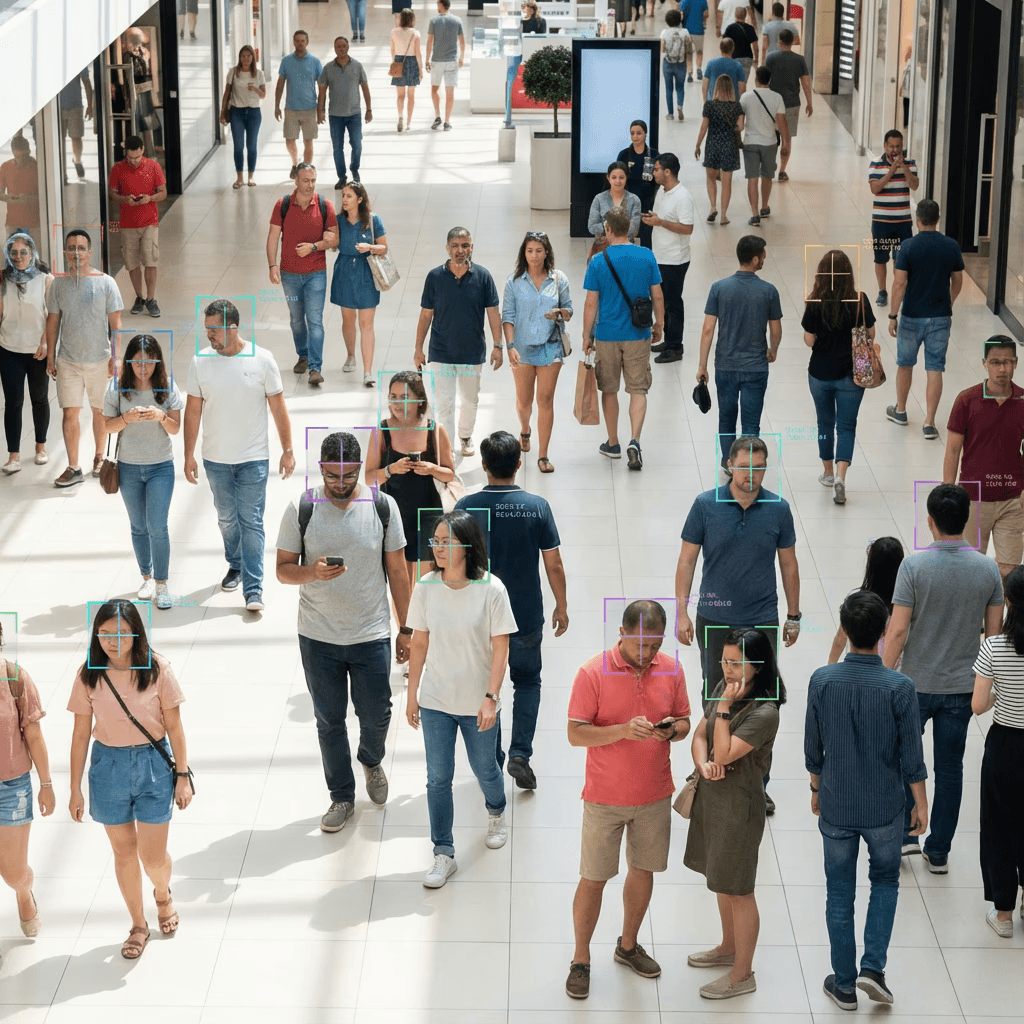
• Recognise the same individual across cameras without prior enrollment
• Understand movement patterns over time
• Surface only what requires attention
• Reduce dependence on constant screen monitoring
No behaviour changes are required. The system simply understands what the cameras are already seeing.
Same Intelligence Foundation, Different Outcomes
While the underlying intelligence remains the same, the outcomes vary by environment. In gated communities, intelligence improves visibility around residents, visitors, service staff, and deliveries helping communities understand daily movement without intruding on privacy. In shopping malls and commercial spaces, the same intelligence enables footfall measurement, crowd density awareness, dwell time analysis, and the ability to follow persons of interest across cameras in real time. Different needs. Same intelligence foundation.
From Footage to Understanding
When surveillance is augmented with intelligence:
• Video becomes context, not clutter
• Guards are supported, not overloaded
• Awareness becomes real-time, not retrospective
• Privacy is preserved by design, not policy
Shared private spaces gain clarity without adding friction.
Moving Beyond Surveillance
As gated communities, shopping malls, and mixed-use developments continue to grow in scale and complexity, surveillance alone is no longer sufficient. The next step is not more cameras or more screens. It is an intelligence layer that delivers continuity, context, and awareness quietly, responsibly, and in real time. That is where surveillance stops falling short.

Written by
Akhil Gurram
Co-Founder & CTO, FaceIntel Technologies Pvt. Ltd.
December 2, 2025
20 min read
FaceIntel Discovery Pilot Program
Collaborate with FaceIntel to validate identity intelligence in live, production environments — built for scale and compliance.